


This best practices documentation, comprising a flagship documentary and a comprehensive compendium, was produced to showcase the successful institutionalisation and impact of Adult Learning and Education (ALE) in Kibaha District Council, Tanzania. Supported by DVV International East Africa, the primary objective is to present a replicable, self-sustaining model for local government authorities (LGAs), policymakers, and development partners. The documentation serves as an advocacy tool to demonstrate how adult education can be effectively integrated into formal district budgets and planning structures.
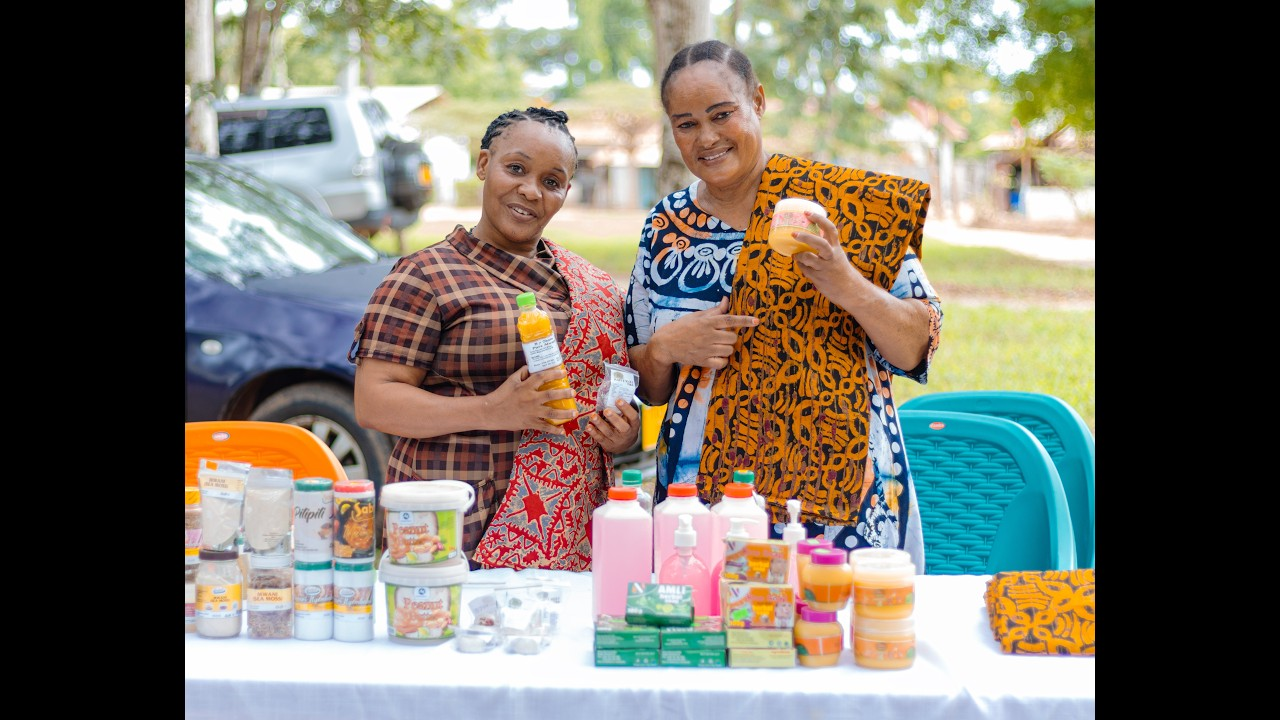
In Tanzania, equipping adults with relevant skills is vital for grassroots development and poverty reduction. At the Ruvu JKT Community Learning Centre (CLC), adult education goes far beyond traditional literacy. It represents a paradigm shift where learning is directly linked to local livelihoods. Through the MUKEJA program, adult learners engage in practical, hands-on training tailored to their specific environment, ranging from organic agriculture and aquaculture to commercial batik production and business management. Using the REFLECT methodology, basic literacy and numeracy are integrated directly into these daily economic activities. It encompasses a holistic approach to lifelong learning, ensuring that adults learn not just to read and write, but to generate income and achieve self-reliance.
The second vital message of this documentation highlights the power of multi-sectoral governance and systemic sustainability. The Kibaha model proves that CLCs thrive when they operate as integrated service hubs rather than isolated educational projects. By partnering directly with District departments, such as Agriculture, Fisheries, Health, and Community Development, the CLC brings government extension officers directly to the learners. This unique collaboration has resulted in adult education being formally recognised and allocated for in the Kibaha District budget. Ultimately, this documentation aims to inspire the replication of the "Kibaha Blueprint" across Tanzania, proving that when education steps out of the classroom and into the soil, it builds total economic independence.